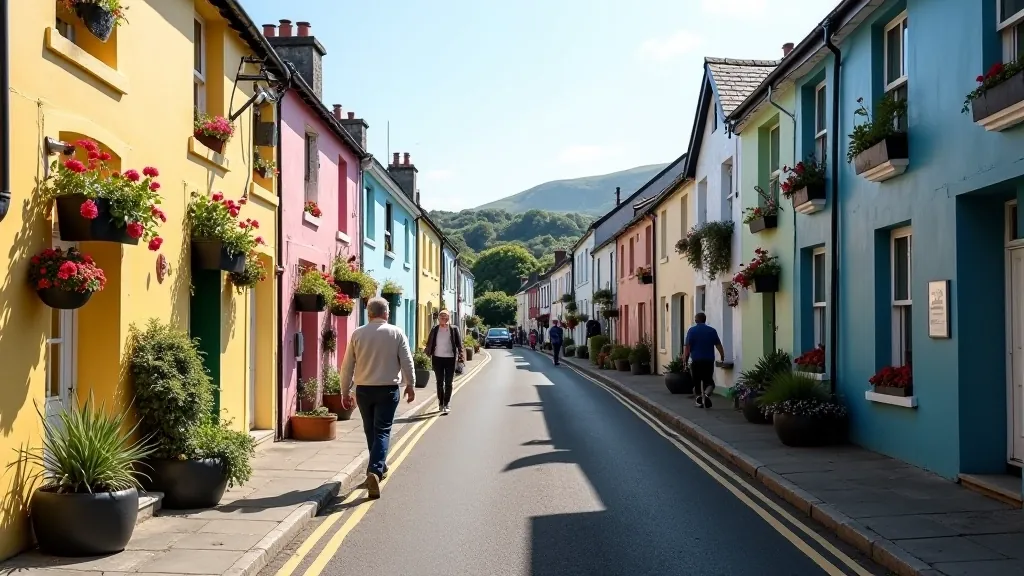
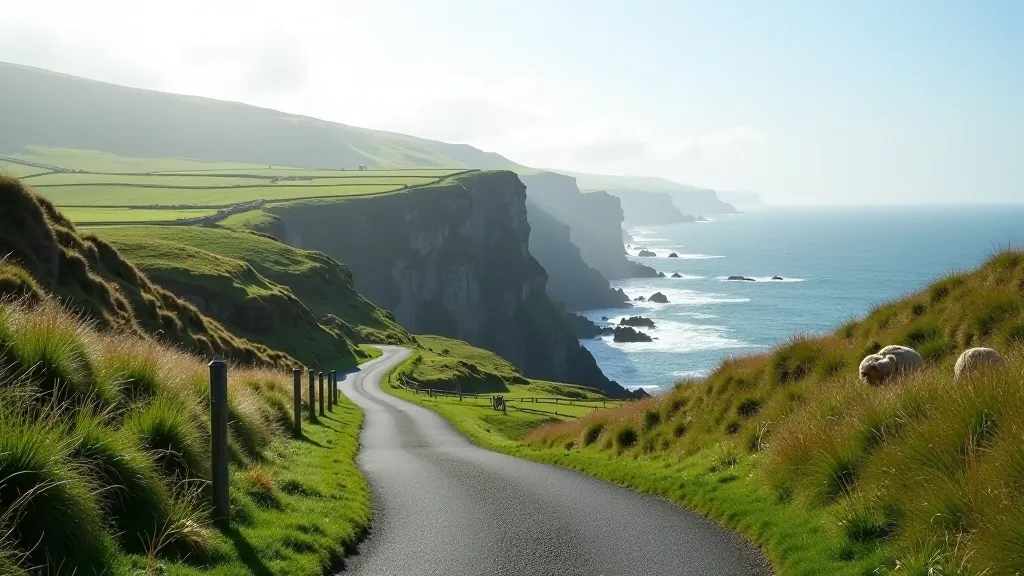
Slea Head Drive: Ireland's Most Scenic Coastal Route
Stop-and-stroll tour along one of Europe's most stunning coastlines. We've mapped the best pull-offs, quiet viewpoints, and hidden stops for comfortable exploration.
Read MoreTwo-mile flat walk around the harbour with plenty of benches, ice cream stops, and views of traditional fishing boats. Takes about 90 minutes at a relaxed pace.
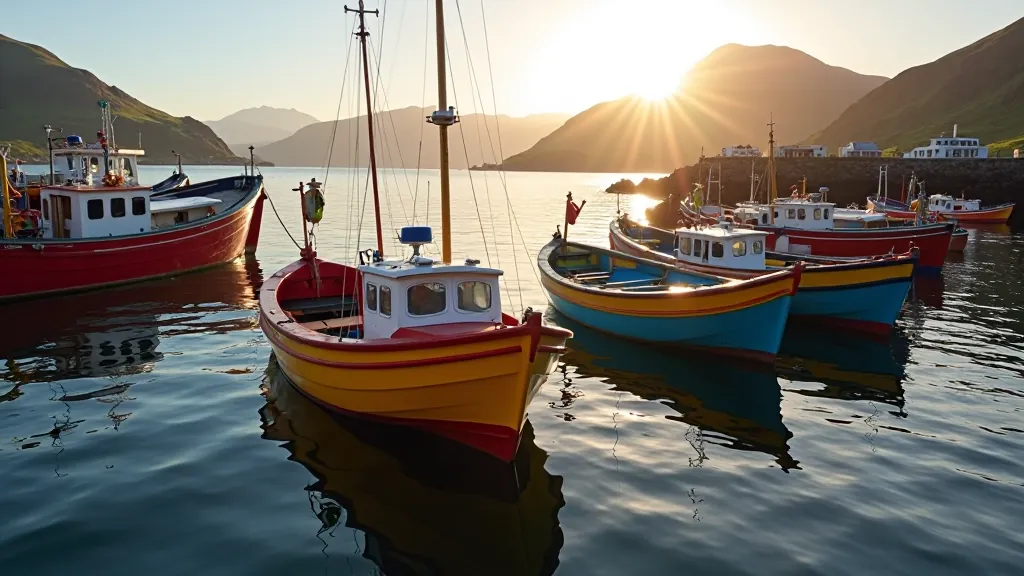

The harbour loop is perfect if you're looking for something gentle. No hills, no scrambling over rocks, just a lovely flat path that follows the waterfront. You'll see working fishing boats, colourful house facades, and enough spots to stop and rest whenever you need to.
It's the kind of walk where you can chat with friends, pause for ice cream, and still feel like you've done something worthwhile. Most people complete it in 90 minutes at an easy pace, though there's no rush. You could easily spend two hours if you're stopping at every viewpoint.
The route's been well-maintained over the years, and locals are genuinely friendly if you stop to ask questions. We've designed this guide to cover what you'll actually encounter, the best spots to rest, and how to make the most of your time there.
2 miles total, 90 minutes at a relaxed pace. Flat the whole way.
Beginner-friendly. No elevation gain, well-defined path throughout.
6+ benches positioned with views. Two cafés on the route.
The walk starts near the pier where you'll see fishing boats being loaded and unloaded. Don't worry if it looks busy — the pedestrian path is separate and completely safe. You'll walk along the water's edge, getting closer views of the traditional boats than you'd get from anywhere else in town.
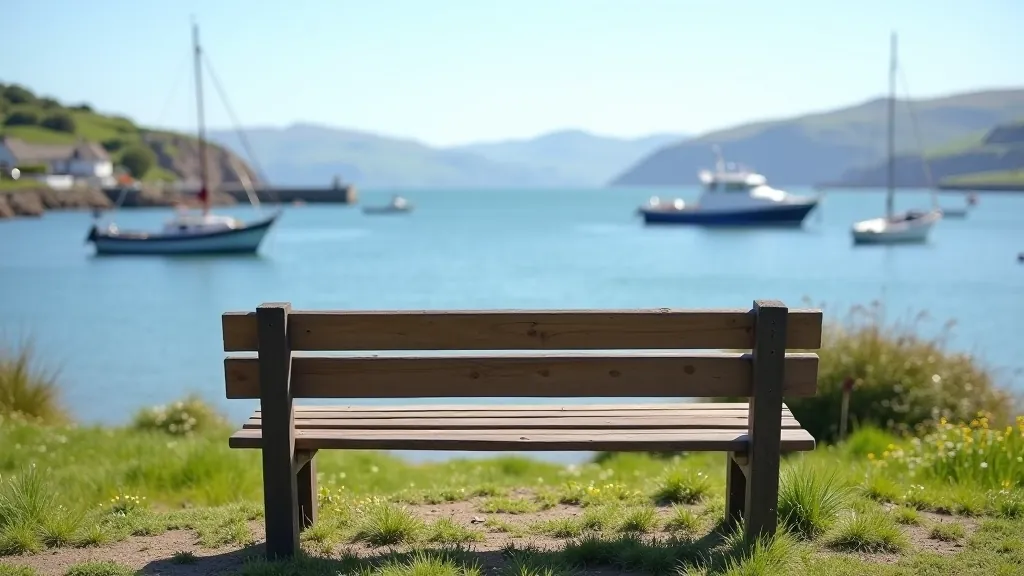
About halfway around, you'll reach a widened section with two benches positioned directly overlooking the harbour mouth. This is where most people stop for 10-15 minutes. If the weather's clear, you can see across to the Blasket Islands. Even on grey days, there's something peaceful about watching the water and listening to the boats creaking in the tide.
The second half of the loop takes you through quieter sections with residential streets, but you'll still have water views. A small café sits about three-quarters of the way around — good for a proper break. The path returns to the pier, so you'll naturally end up where you started.
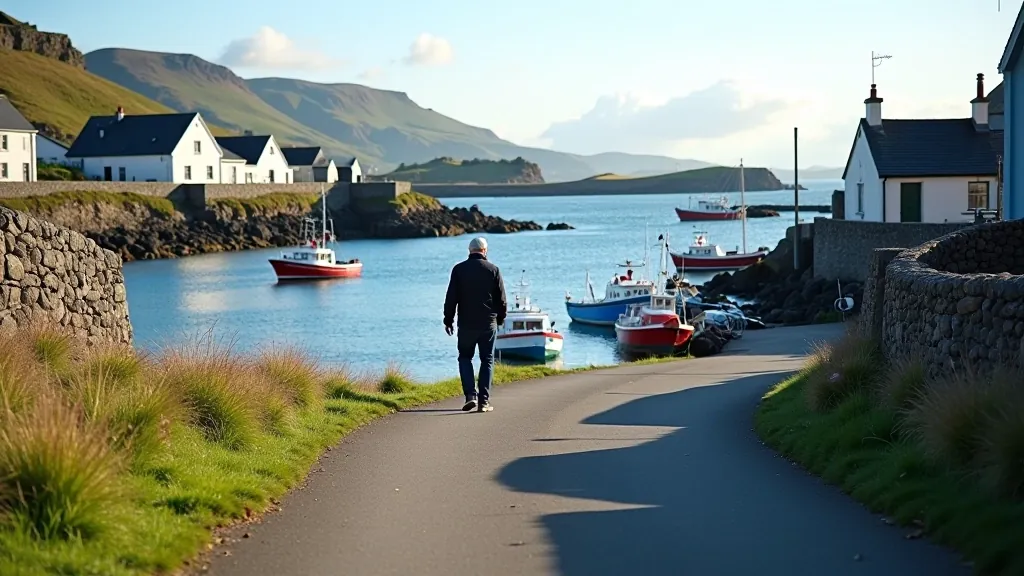
There's no pressure to walk the whole thing without stopping. That's the whole point of this route — you can take your time and enjoy it properly.
Best time to visit is morning (8-10am) when fishing activity is most active. You'll see actual working boats, not tourist attractions. Parking is available nearby on the main road.
Around the 1-mile mark, you'll find benches with the best harbour views. This is where most people rest for 10-15 minutes. Water can be quite windy here, so bring a light jacket even on warm days.
Offers tea, coffee, and light snacks. It's family-run and the owner's friendly about walkers stopping by. This is a good place to sit for 20-30 minutes if your feet need proper rest.
Kerry weather's unpredictable. You'll want layers — a light jacket is essential even in summer. The waterfront can be windy, so bring a windproof layer. Comfortable walking shoes with good grip matter here, especially after rain when the path gets damp.
Early morning (8-10am) is quietest and gives you the best light for photos. Mornings are also when fishing boats are most active. Late afternoon works well too. Avoid midday summer crowds if you prefer a peaceful walk.
The path is fenced where it's close to water, but stay aware. Tides can shift how the rocks look. Don't lean over barriers to photograph boats. Watch for uneven ground, especially on the older sections of the path.
Water bottle (refill at the café). Phone for photos. Sun cream even on cloudy days — reflection off water intensifies UV. A small snack is handy. The walk itself isn't strenuous, but having energy snacks prevents that mid-walk energy dip.
Free parking on the main street near the pier, about a 2-minute walk to the starting point. The route itself is completely accessible — no stairs, no rough terrain. If you need to shorten it, you can do the first mile out and back (takes about 40 minutes).
Golden hour (early morning or late afternoon) gives the best light. The boats are most photogenic when the sun's low. Try photographing from the midpoint benches — you'll get the whole harbour in frame with mountains beyond. Bring a small tripod if you want self-portraits.
This isn't a hike. It's not a challenge. It's a walk where you can actually talk to the person next to you, notice the details, and feel like you've genuinely experienced a place. That matters. Too many walks get treated like boxes to tick off — distance covered, elevation gained, time recorded. This one's different.
You're walking among actual working boats where fishermen have operated for generations. These aren't tourist attractions or restored heritage pieces. They're working vessels. Watching someone mend nets or load catch gives you a real sense of what this community's built on. It's humbling and interesting in ways that postcards can't capture.
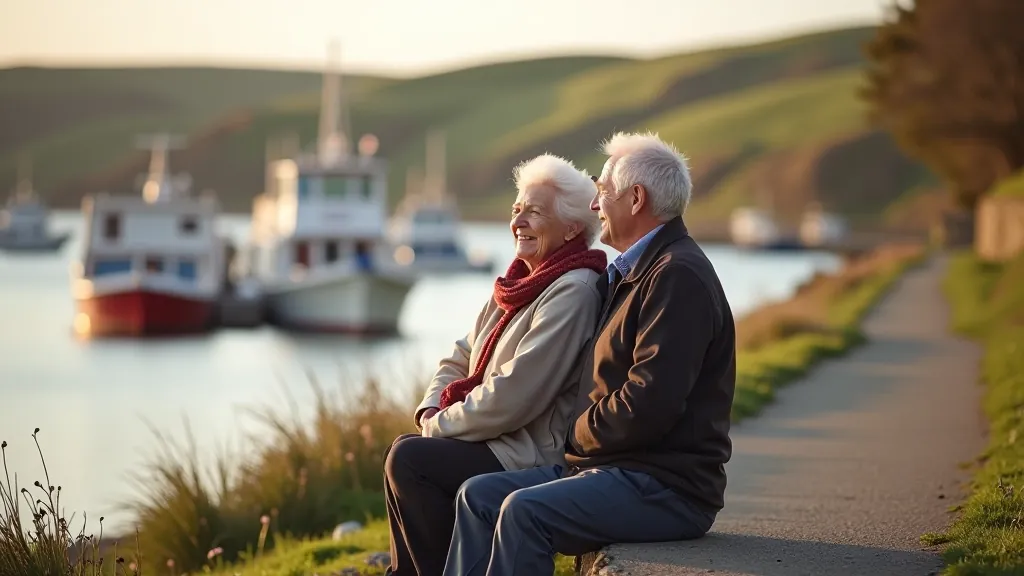
The pace suits reflection. You can walk in comfortable silence, notice how light changes the water colour, watch seabirds work the shallows. Or you can chat the whole way. Either works perfectly. There's no performance aspect to it — you're not trying to prove fitness or speed. You're just there, moving gently, present in a place.
This article provides general information about walking routes in Dingle, County Kerry. Conditions on coastal paths can change due to weather, maintenance, or seasonal factors. Always check local conditions before visiting and bring appropriate safety equipment. The route description reflects conditions as of June 2026, but weather, tide levels, and path conditions can vary. Wear appropriate footwear and be mindful of uneven surfaces, especially after rain. If you have mobility concerns, contact local tourist information for current accessibility details.
The Dingle Harbour Loop works because it's honest. It doesn't pretend to be something dramatic or challenging. It's a genuine, accessible walk that lets you experience a real working harbour at your own pace. That's exactly what makes it valuable.
Start early, bring water, wear layers. Take your time at the midpoint benches. Stop for ice cream if you want. Chat with locals if the opportunity comes up. These are the things that transform a walk from a box-ticking exercise into something you'll actually remember.
The harbour's been here for centuries. It'll still be there when you visit, with the same boats, the same water, the same light changing hour by hour. That consistency is oddly reassuring. You're not chasing some rare experience — you're stepping into something that's been working the same way for generations.