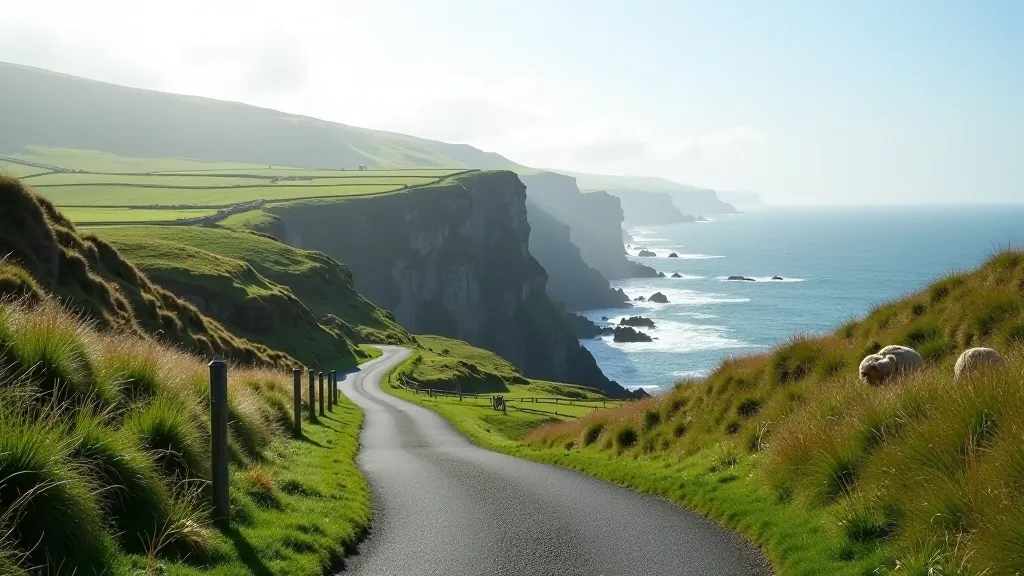

Dingle Harbour Loop: A Gentle Waterfront Stroll
Two-mile flat walk around the harbour with plenty of benches, ice cream stops, and views of traditional fishing boats.
Walkable town centre with colourful shops, cafés, and historic sites. Doesn't require climbing, has accessible footpaths, and plenty of spots to pause and absorb the atmosphere.
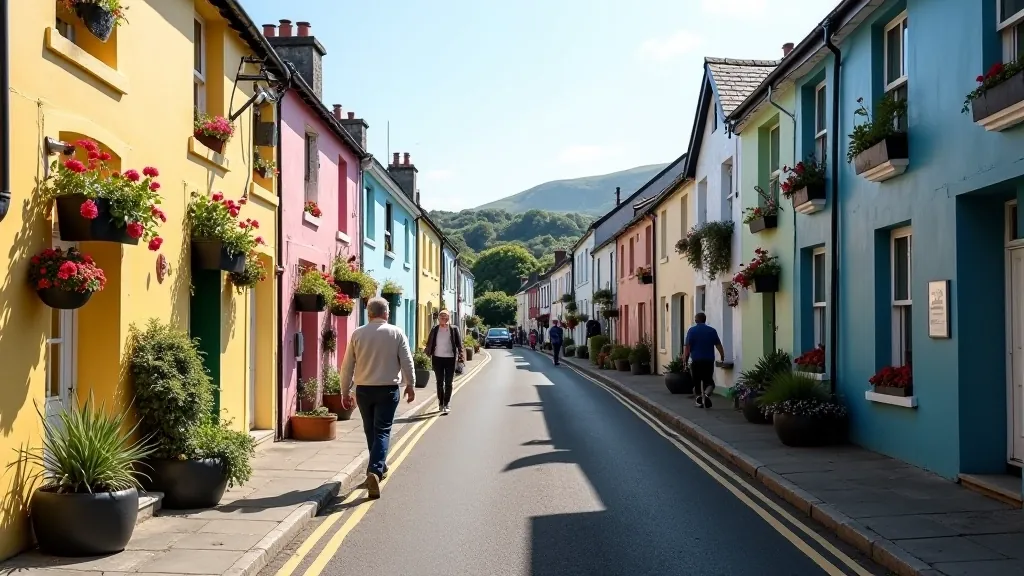

Dingle isn't about epic cliff walks or mountain trails. It's something different — a chance to actually explore a place where people live and work. The town centre is compact enough that you're never overwhelmed, yet there's always something worth pausing to look at. You'll find yourself stopping at shop windows, ducking into galleries, or sitting with a coffee while watching the world pass by.
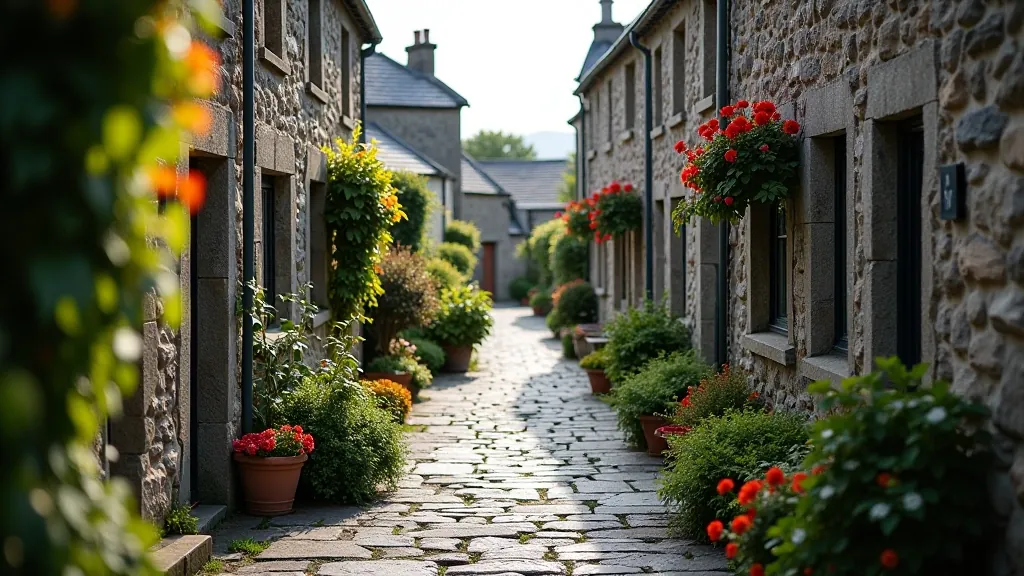
The streets are flat and well-maintained. There's no scrambling over rocks or navigating steep gradients. Instead, you've got time to notice the details: the hand-painted shop signs, the way flowers spill from window boxes, the particular character of each narrow lane. It's a walk that's more about rhythm and discovery than exertion.
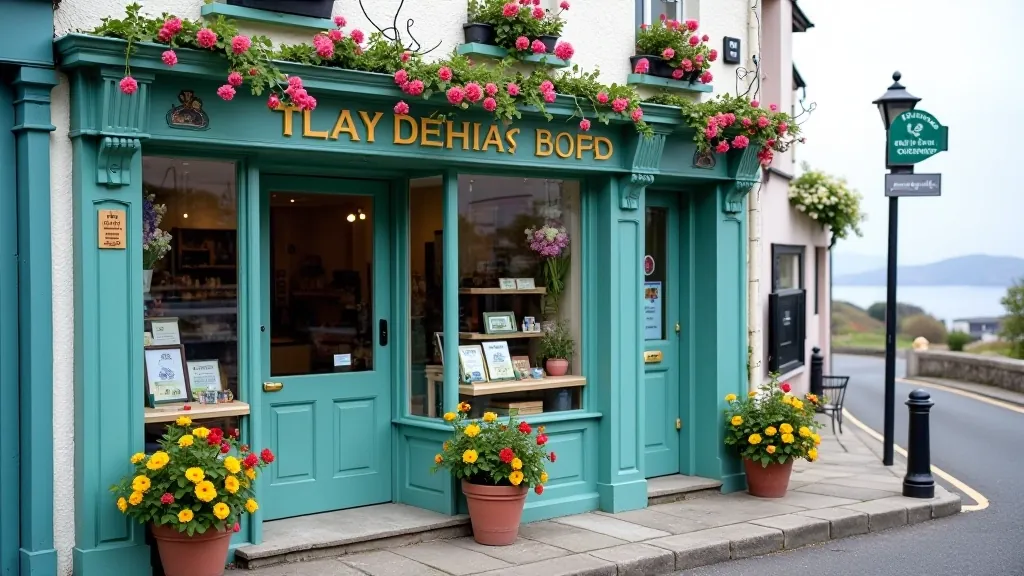
Start at the harbour and work your way up Main Street. That's about half a mile of steady, gentle climbing — nothing steep, just a gradual slope. You'll pass the clock tower (built in 1882), various shops selling everything from woolly jumpers to local art, and cafés where you can stop whenever you fancy. The paving's consistent throughout, so there's no dodging uneven surfaces.
The pace here matters. Don't rush. Pop into the small museum if you're interested in local history, or browse the bookshop. These stops break up the walk naturally and give your legs a proper rest without making it feel like you've stopped because you needed to.

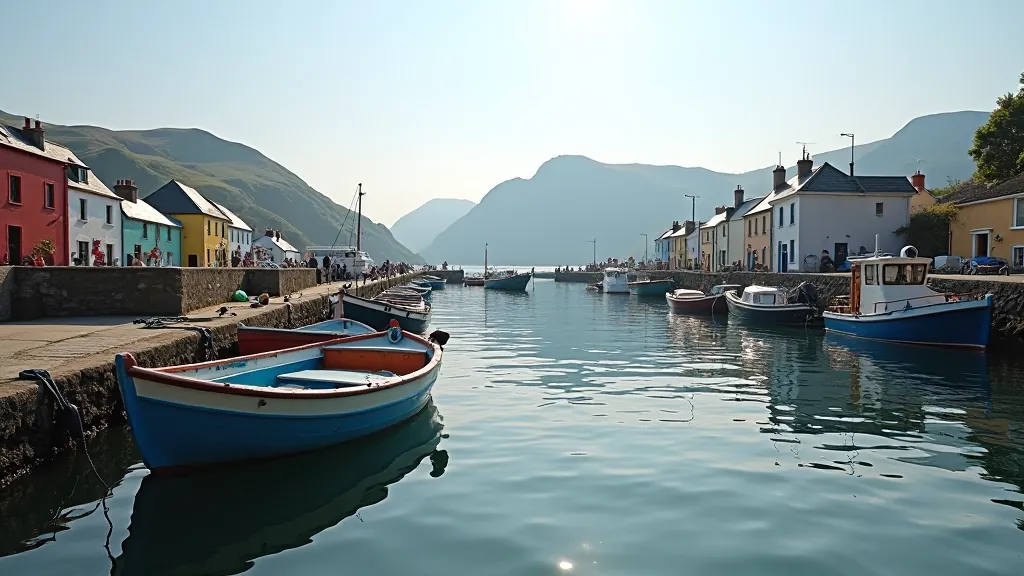
The harbour section is the most relaxed part of the entire walk. It's flat, sheltered, and there are benches every 50 metres or so. You've got the water on one side and the town on the other. On calm days, the reflection of the boats creates this lovely mirror effect. On windier days, you're protected by the natural curve of the bay.
This is where you'll see actual fishing activity if you time it right. Boats come and go, nets get sorted, and there's genuine work happening. It's not staged or put on for tourists — it's just the everyday rhythm of a working harbour. Spend as long here as you like. There's no pressure to keep moving.
Pro tip: The morning light (roughly 8–10am) hits the water beautifully here. If you're an early riser, you'll have the harbour almost entirely to yourself.
Once you've walked the main route, spend time wandering the side streets. They're quieter and you'll discover local spots that visitors often miss. There's a small church with a peaceful interior. A laneway lined entirely with murals and street art. Residential streets where you can actually see how people live in the town, rather than just the commercial face.
These streets are all accessible and well-maintained. You're not scrambling up hidden paths — everything's on the level and straightforward. The benefit is you can wander without worrying about navigation or unexpected obstacles. Just follow the lanes and see where they lead.
Allow yourself at least an hour for this section. It's not about covering distance. It's about noticing things. The way light falls on old stone. A particular flower combination in a window box. A shop owner arranging goods outside. These details make the walk feel personal rather than just another tourist activity.
The main circuit (harbour to top of Main Street and back) is roughly 2 miles. With pauses for shops, cafés, and just looking around, you're looking at 2.5 to 3 hours. Add another 1.5 hours if you're exploring the side streets properly.
Wear comfortable walking shoes with decent support. The streets are paved, so there's no need for hiking boots, but the pavement can be a bit uneven in places. Bring a small backpack for a water bottle and light snacks. You'll want your hands free to browse shops or take photos.
Kerry's weather changes quickly. Bring a light waterproof jacket even on sunny days. Spring (April–May) and autumn (September–October) offer the most pleasant walking conditions. Summer's warmer but busier. Winter works too if you don't mind cooler temperatures and occasional rain.
There are at least a dozen cafés and restaurants throughout the town. Stop for coffee mid-morning or lunch mid-walk. Local spots like traditional pubs serve good food and you'll get a sense of authentic town life. Prices are reasonable and staff are used to walkers dropping in.
Dingle town walking isn't about achievement or reaching a summit. There's no "finishing point" where you feel you've conquered something. Instead, it's about being in a place where life happens at a pace you can actually match. You're moving, yes, but you're also stopping, noticing, resting when you want to. The two exist together naturally.
What makes this walk work for people who want something accessible is that there's zero pressure. If you're tired, sit down. If a shop catches your eye, go in. If you want to spend 20 minutes just watching the harbour, nobody's watching the clock but you. The walk adapts to you, not the other way around.
You'll leave having actually explored a place rather than just walked through it. And that's the real point.
This article is intended for informational purposes to help you plan a walking visit to Dingle town. Walking conditions, weather, accessibility features, and local facilities can change. Always check current weather forecasts before your walk, wear appropriate footwear, and consult with local tourism offices for the most up-to-date information about town services and facilities. Individual fitness levels vary — assess your own comfort with the routes described and adjust your plans accordingly.